

Continuing Education & Thought Provoking Content For Yoga Teachers
Jules Mitchell MS, CMT, ERYT500 Continuing Education300hr Yoga Teacher Training
I “wrote the book” on Yoga Biomechanics. Literally.

I’m Jules Mitchell. I teach advanced continuing education programs in biomechanics for intellectually fearless yoga teachers.
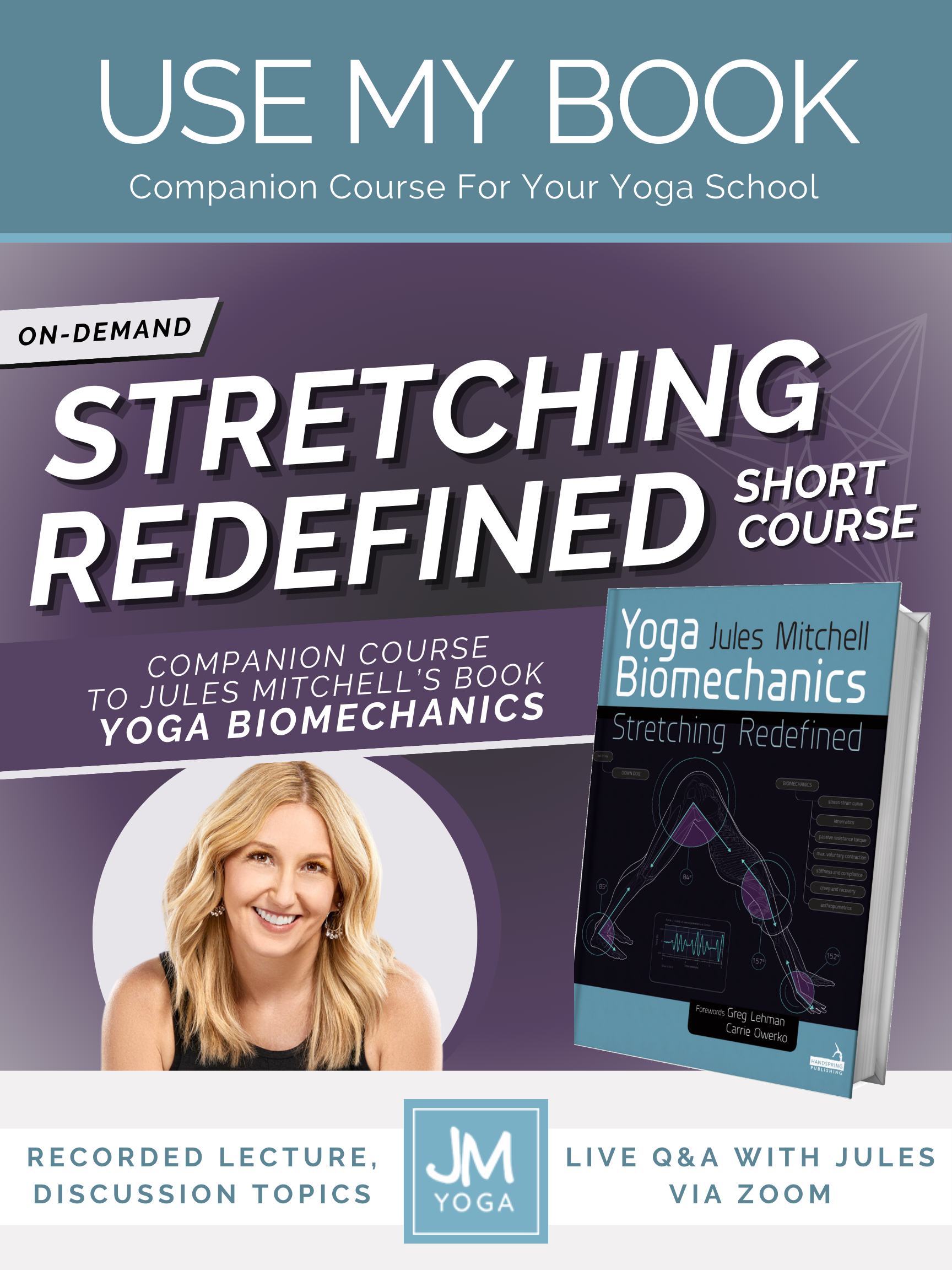
My mission is to help teachers like you build confidence. I help you integrate principles of exercise science and applications of pain science into your yoga classes. I am the author of Yoga Biomechanics: Stretching Redefined, a unique, evidence-based exploration into the complexities of tissue mechanics and the human body’s resilience and adaptability.
I lead workshops and courses worldwide on biomechanics, pain science, and research literacy. I run a popular 300 hour yoga teacher training and a comprehensive mentoring program to support you in both education and business.
If you’re naturally curious, obsessed with anatomy and the human body, and want to feel more confident in applying scientific knowledge to your teaching, you’re in the right place.
Get My Emails
Subscribe to learn more about me, my teaching style, the best way to create a personalized learning path, my book, all my course offerings, and more. You’ll also be the first to know when I launch a course or post new content.
Connect With Me
Research-Based 300hr YTT
Online/Hybrid Options
300hr Yoga Teacher Training
Starts March 2026
Upcoming Continuing Education Courses
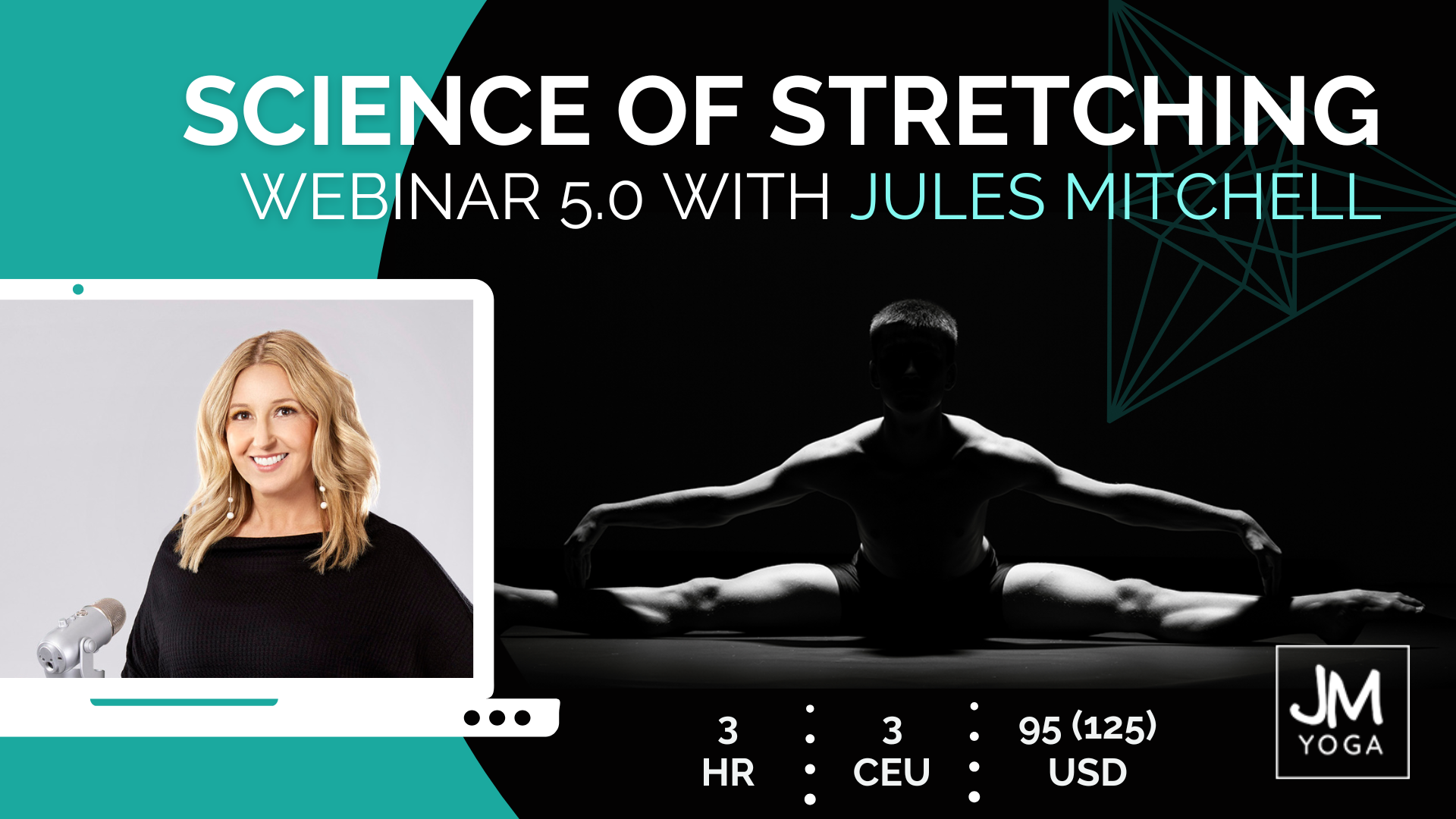
The Science of Stretching
July 2025 | 3-hour Webinar
Online
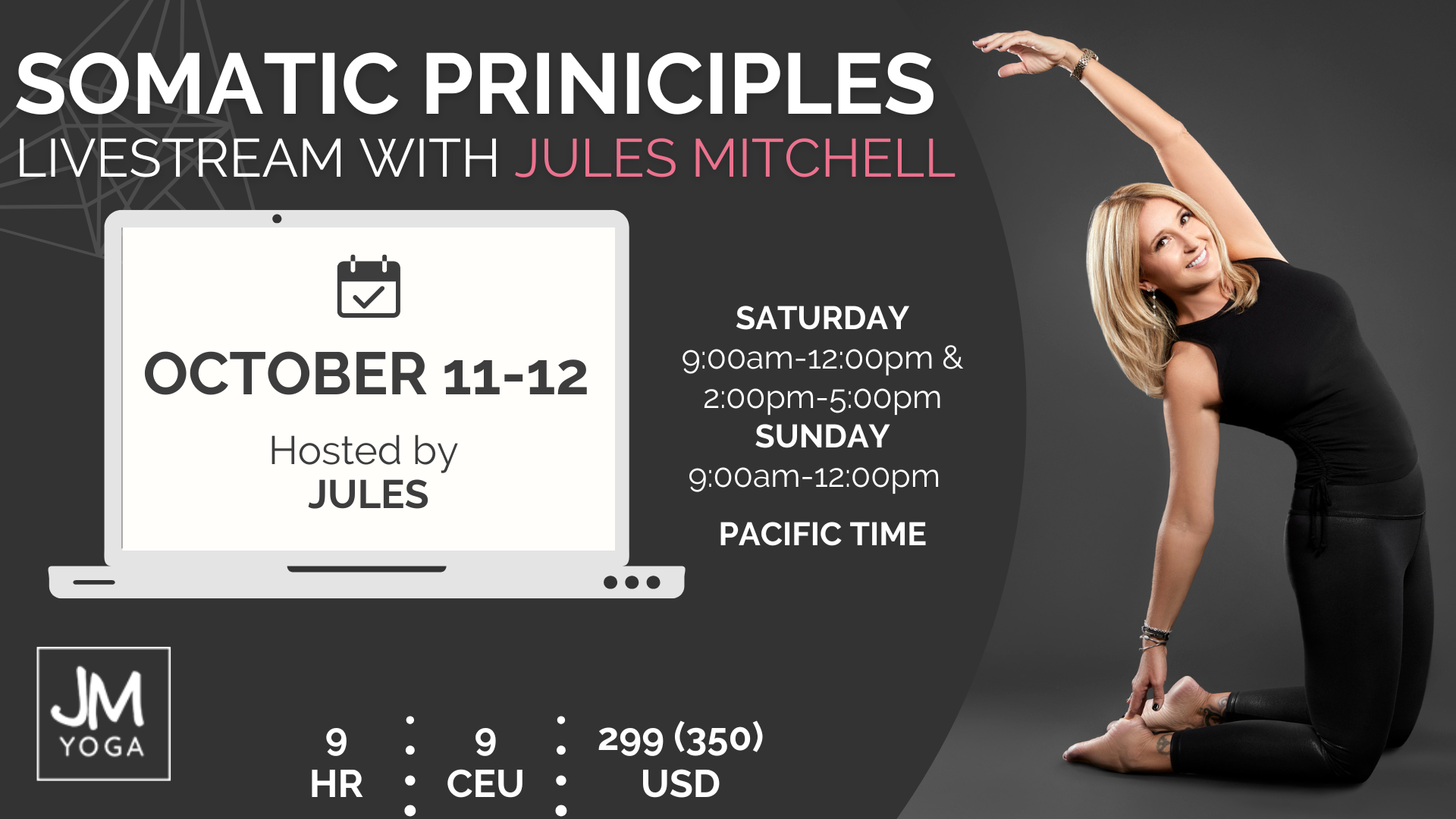
Somatic Principles for Yoga
October 2024 | 9-hour Livestream
Online
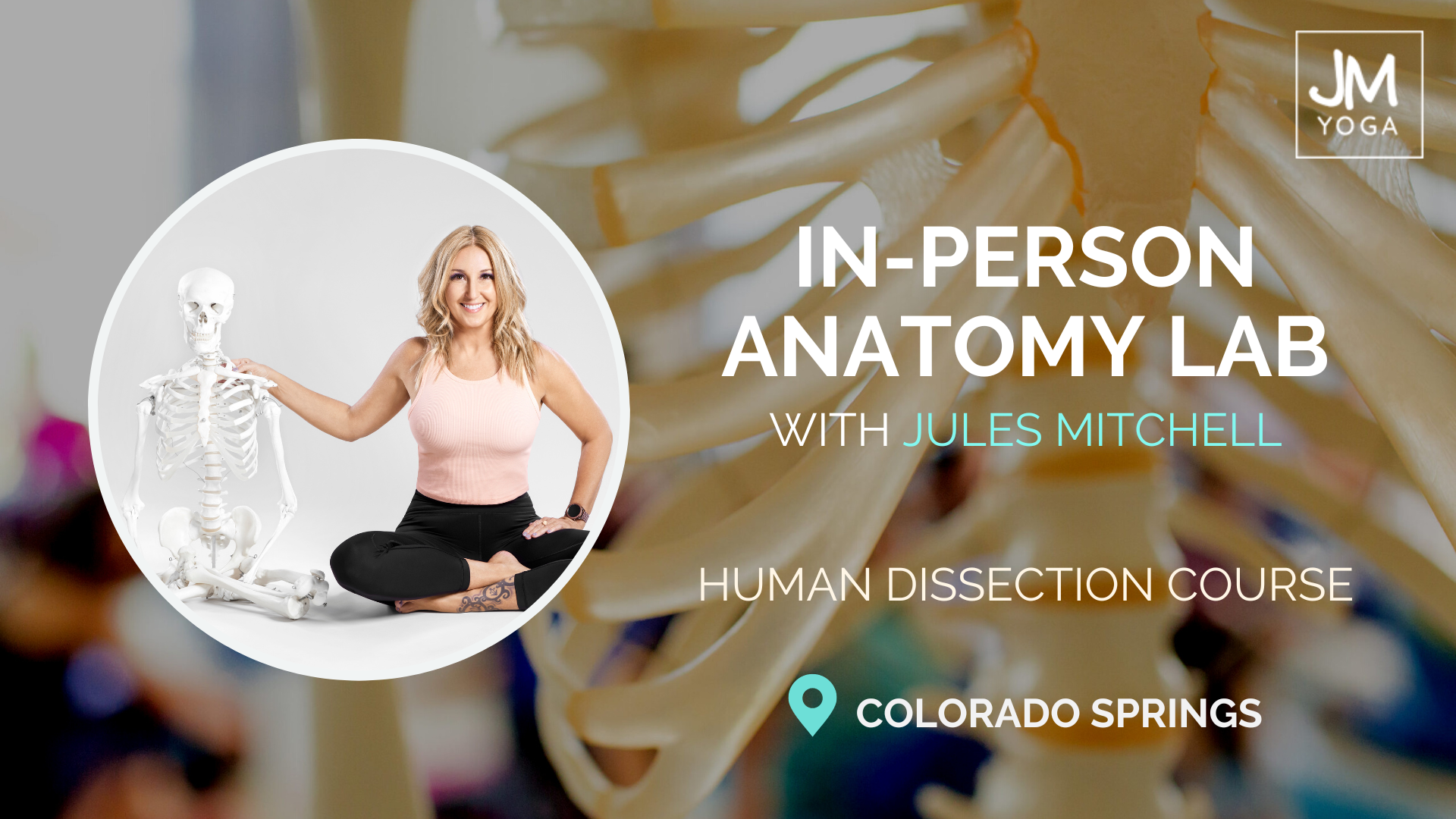
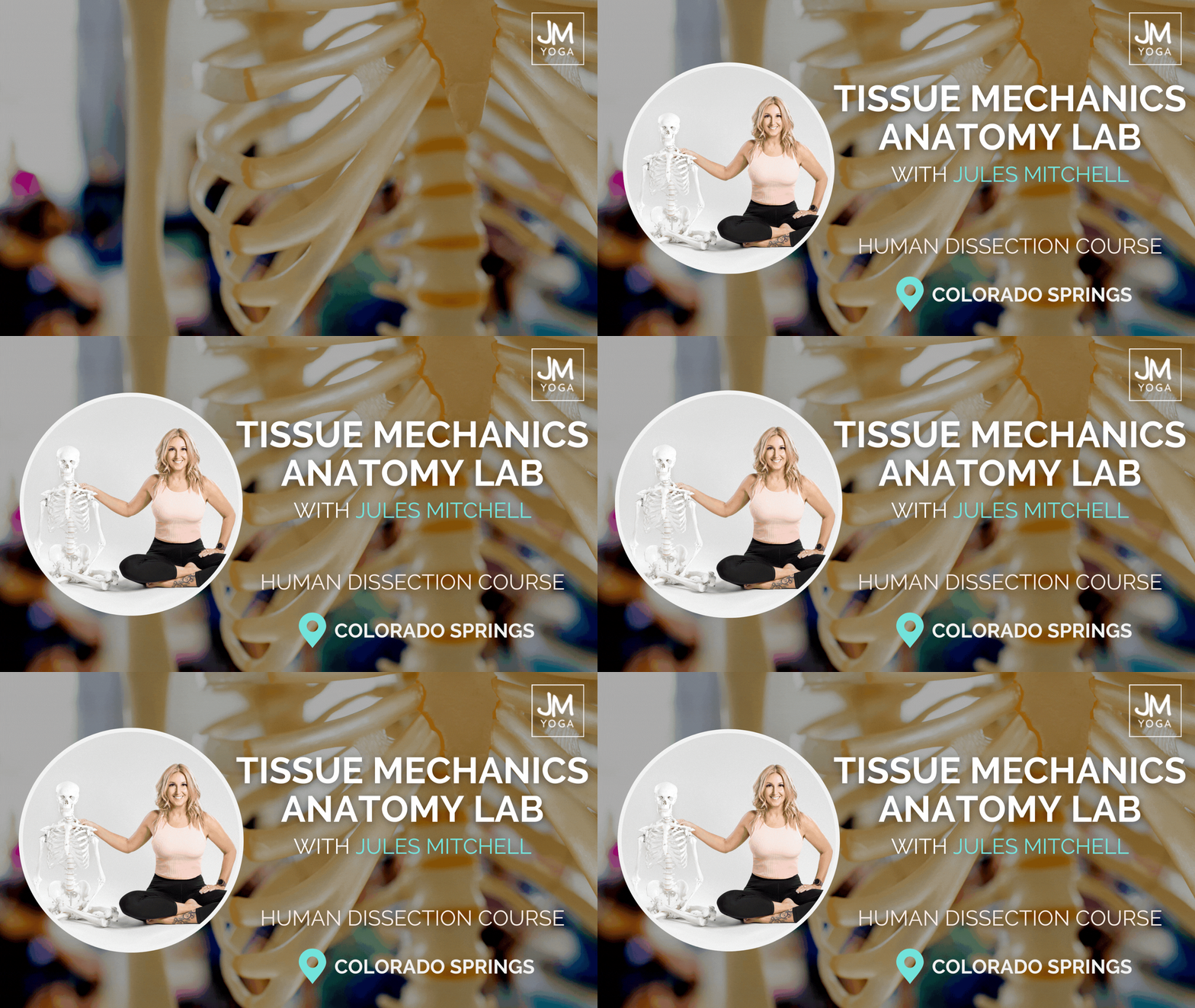
Human Dissection Course
June 2026 | 4-Day Hands-On Lab
In-Person
My Book
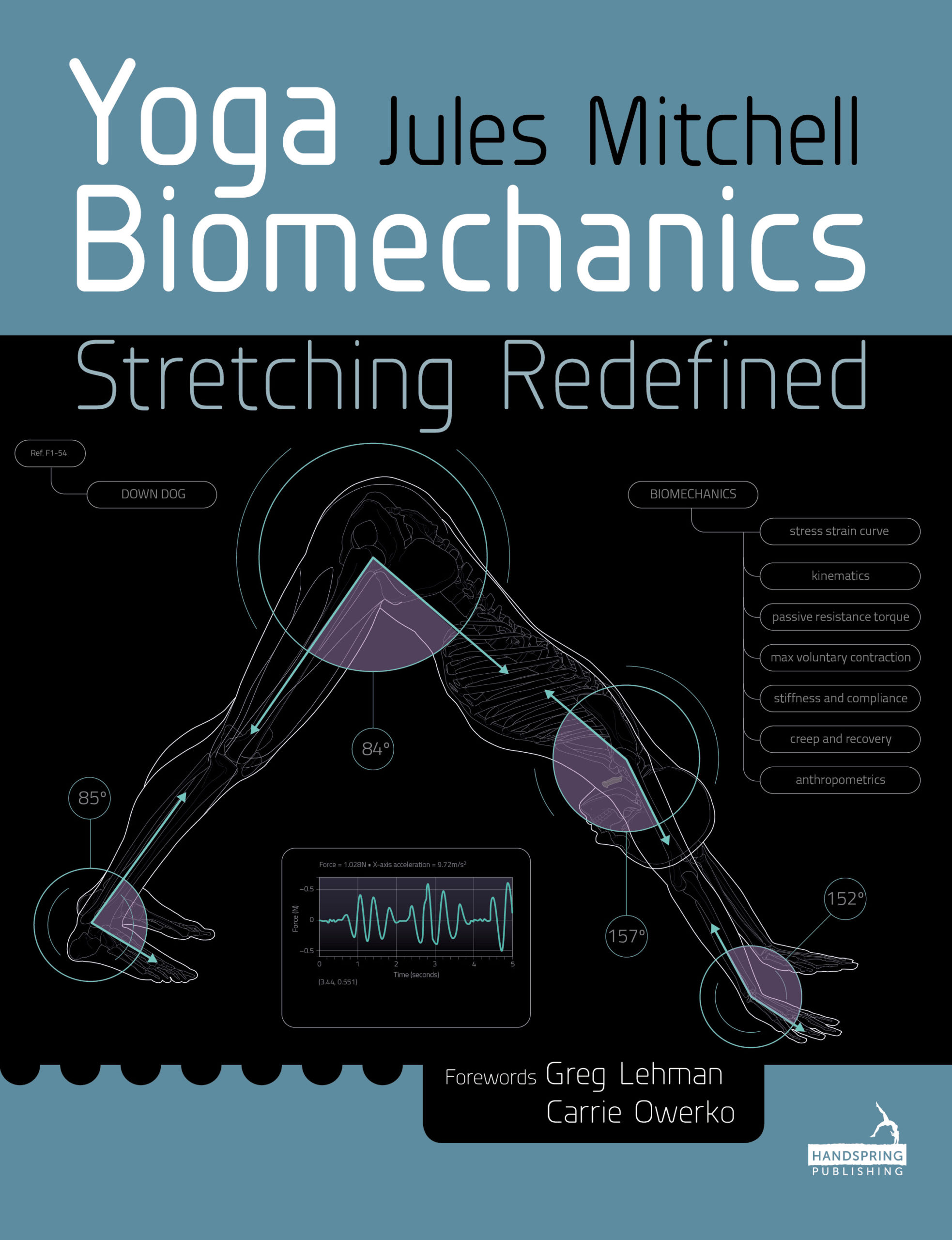
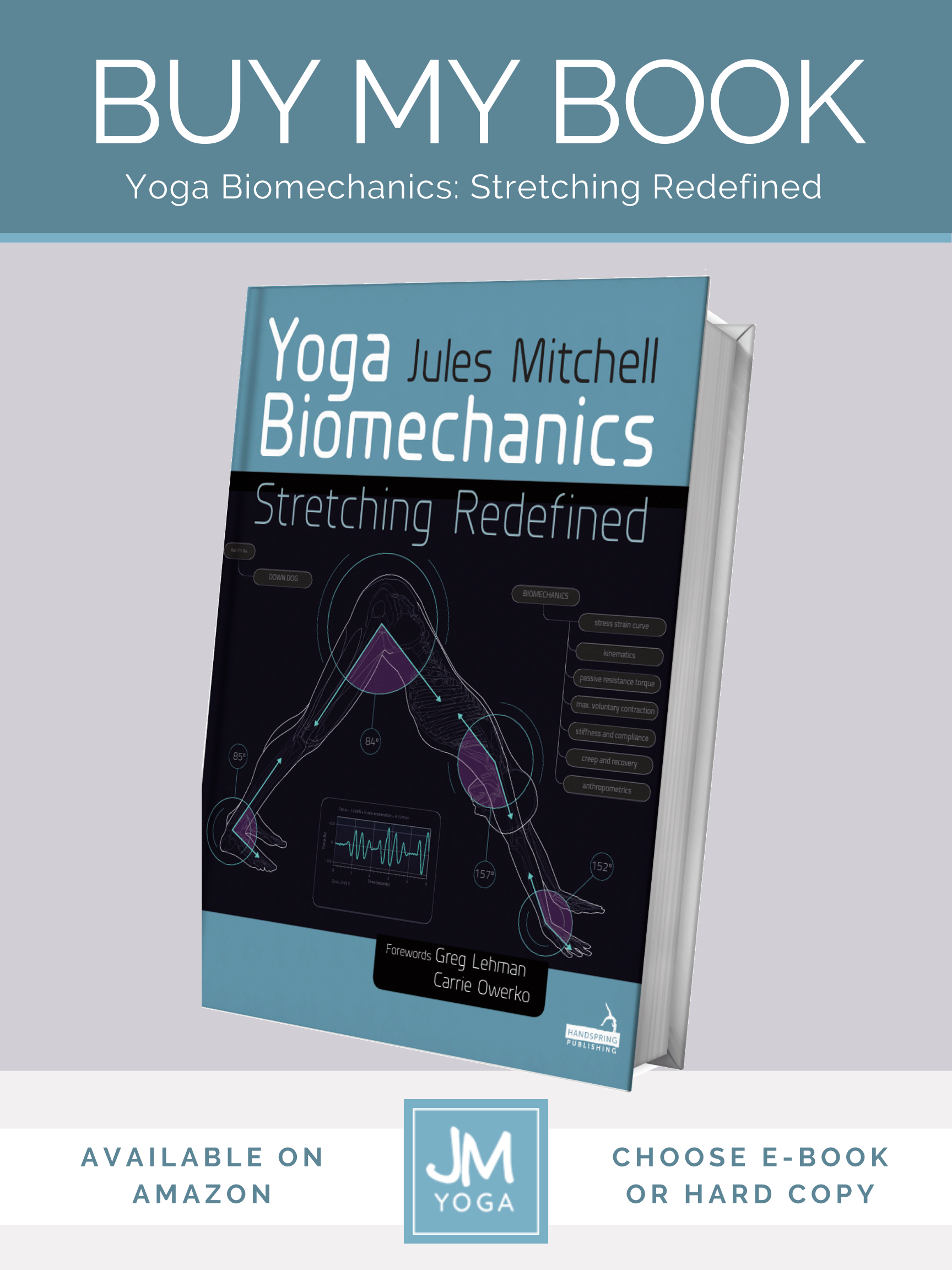
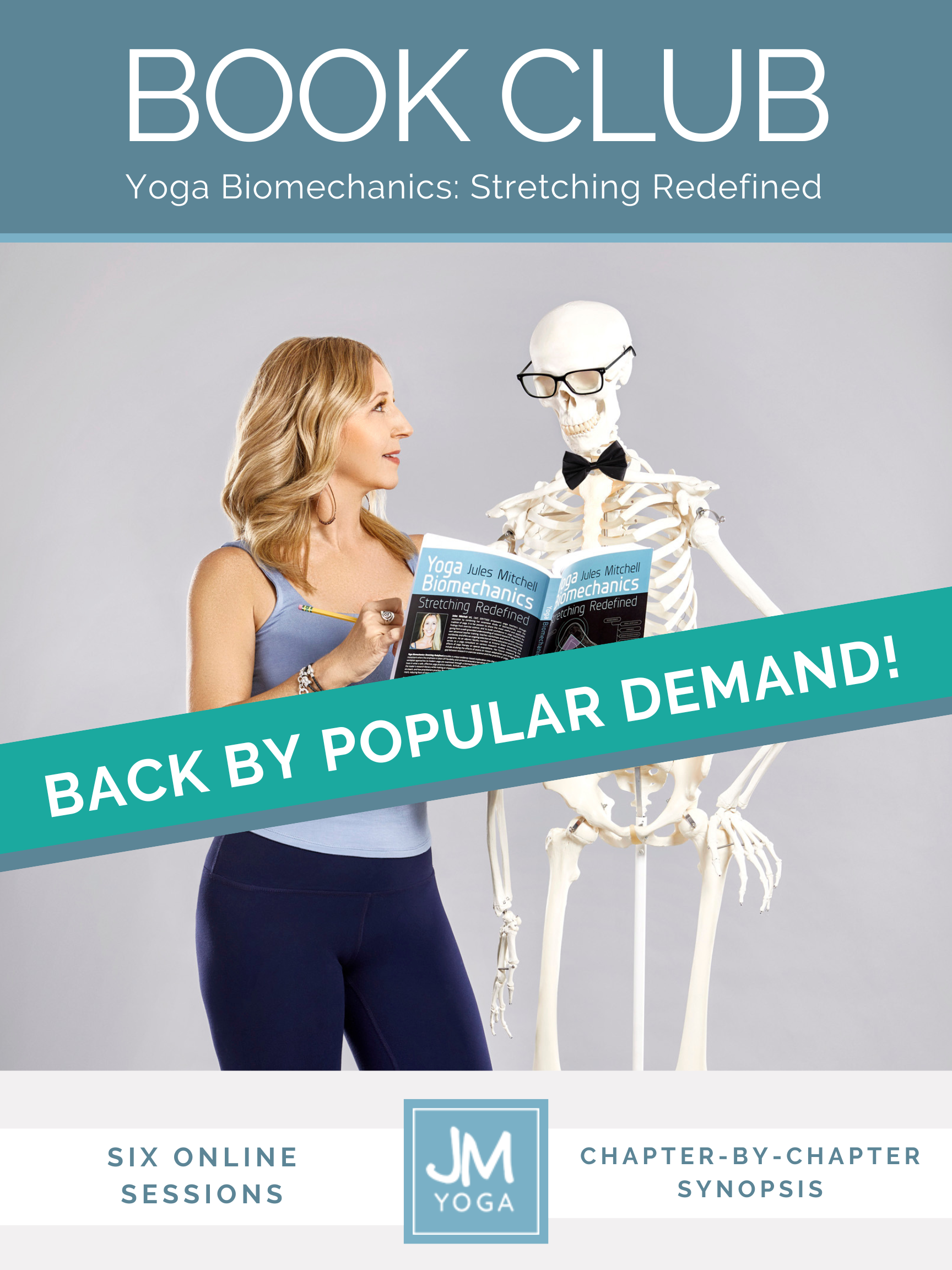
Yoga Biomechanics: Stretching Redefined
My book on biomechanics is the culmination of my life’s education and experience. My father was an engineer and my mother was a university professor, meaning I was perfectly groomed to write a book and teach others about math and physics.
Although my undergrad degree was in women’s studies, I minored in mathematics and continued my studies in architecture, structural design, and civil engineering. Even though I had never heard of biomechanics when I started teaching yoga, all this education was preparing me without me even knowing it. I now see clearly that it is my dharma to study, write, and teach biomechanics to yoga teachers.
When I discovered biomechanics and realized it was the field of study that applied my previous academic endeavors to human biology, I could not believe it wasn’t a part of standard anatomy education.
Suddenly a tendon wasn’t just something that “connects muscle to bone,” a tendon was a complex biological fabric with specific mechanical properties, a complex biochemical environment, and active cells! The musculoskeletal structures I had memorized in anatomy were coming alive with purpose, resilience, and adaptability.
Through a combination of learning at school, translating the concepts to be relevant to yoga poses, teaching it to other yoga teachers, fielding difficult questions, and being challenged to make the material even more relevant is what eventually resulted in my book.
What They’re Saying
“Your insight is touching the heart of it all..”
“This made me cry….thank you. As a teacher it removes the constraints of being neither ‘wrong or right’. As usual Jules your insight is touching the heart of it all. Hugs.
P.S. Can you run for President? Lol”
“Courses are always rich...”
Advanced Teacher Training & Mentoring
Top-Quality Advanced Training & Personalized Mentoring
My 300-hour advanced yoga teacher training is all online with topics heavy on biomechanics, principles of exercise science, applications of pain science, neurophysiology, pathology, and stretching. The course has two modules and the next training starts in 2025..
My Elite Access Mentoring Program is ideal for teachers who would like ongoing support with a deep immersion into reading research, special lectures on topics I’m currently studying, and overall support in their content creation and business logistics. This online membership is a combination of group calls, monthly lectures, Q&A sessions, and 1:1 support.
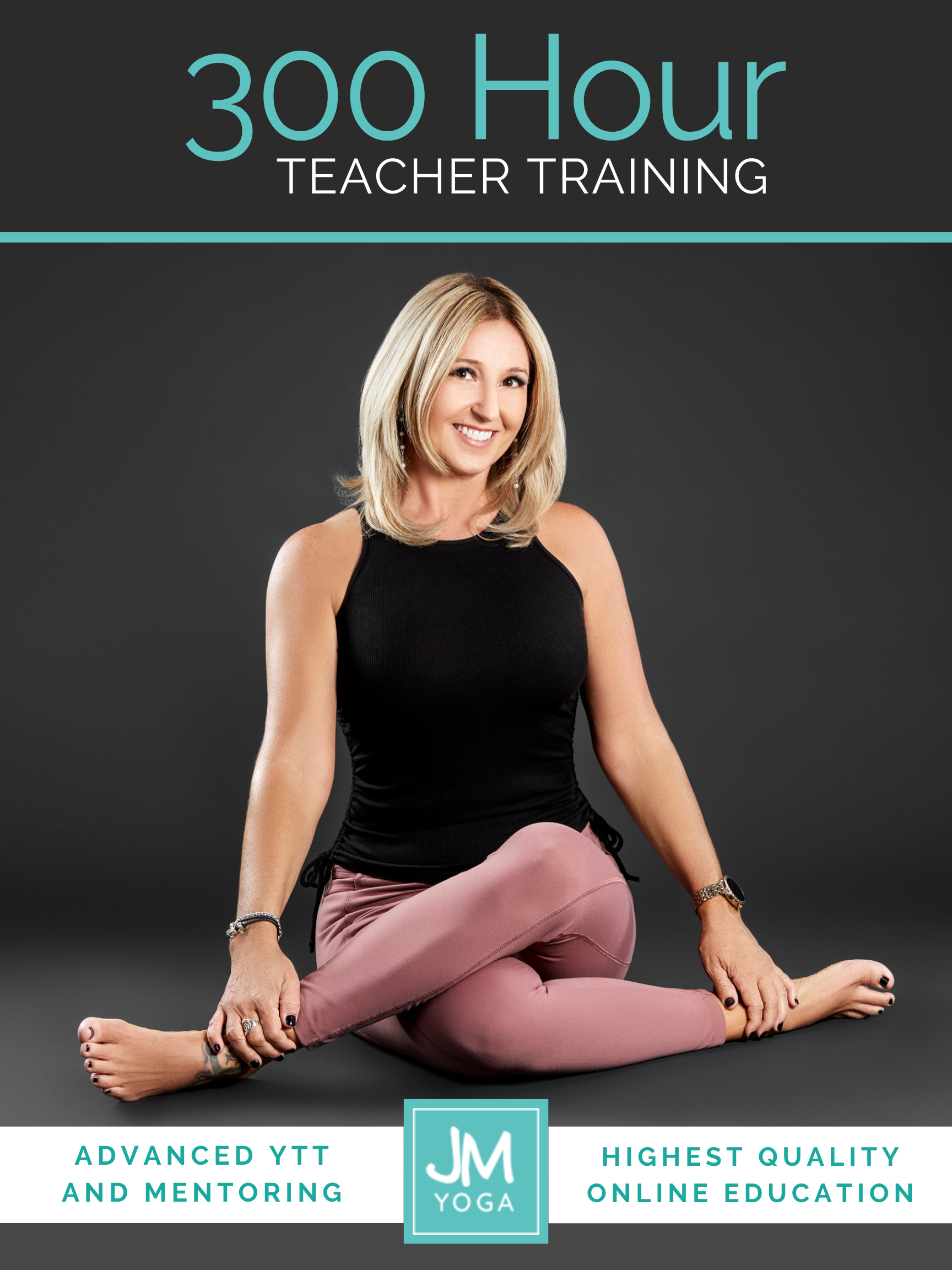
300-hour Advanced Yoga Teacher Training & Mentoring
Next Cohort Starts in 2025 | Online or In-Person
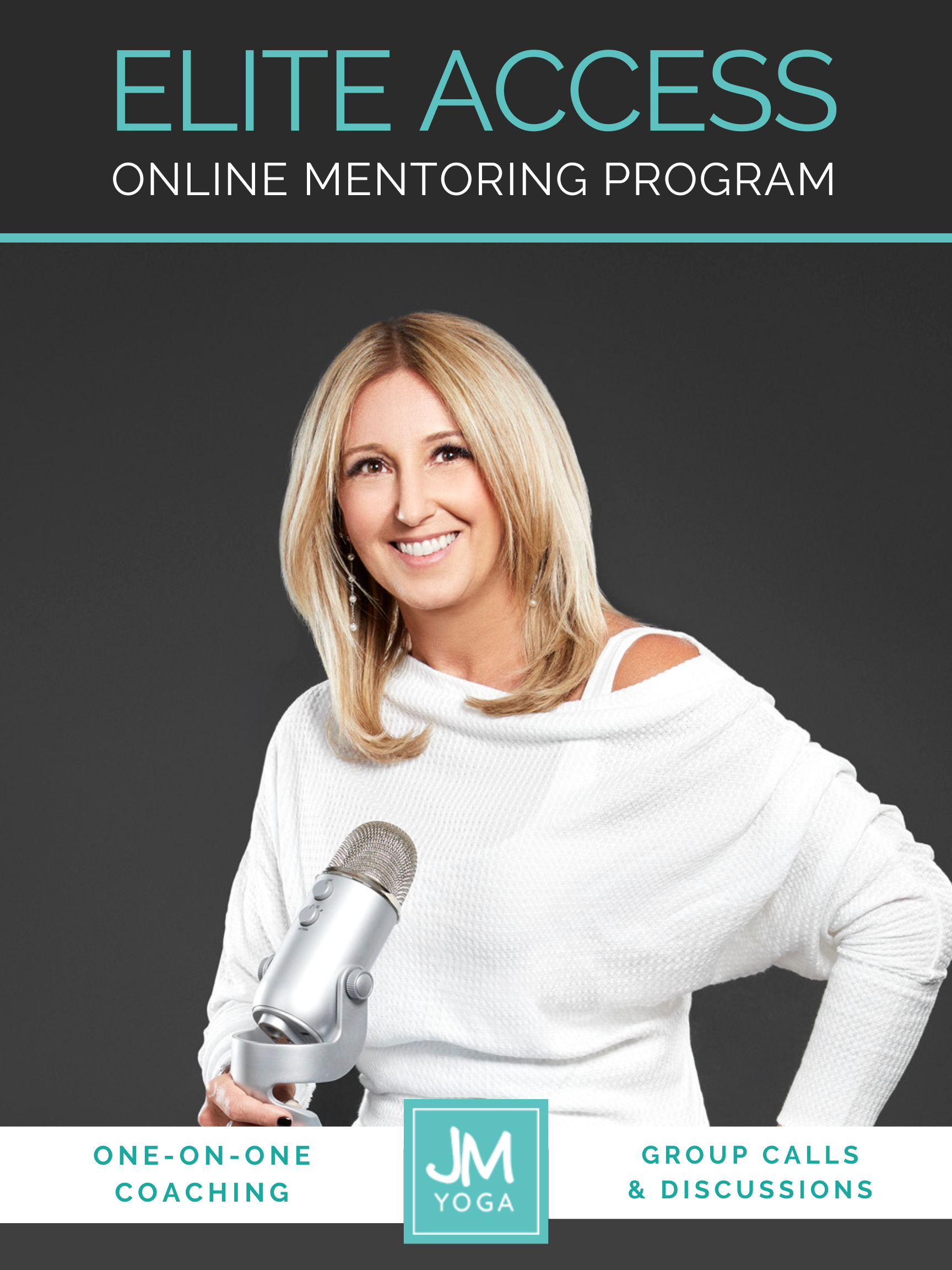
Elite Access Online Mentoring Program
On-Demand Streaming & Popup Zoom Calls | Membership
What They’re Saying
“Jules does an epic job...”
“There is a great learning arch to this YTT. Plenty of time to get familiar with the themes and topics we are covering. Really well curated homework and presentations that encourage the content to be considered in different ways & contexts.
“The delivery of theory and practical is a great mix and Jules does an epic job at containing, layering and targeting the lessons to who’s in front of her (even online through a screen!). As I approach the tail end of the journey I feel how again there is plenty of time for integration and review of the themes.”
“Feel heard and seen...”
“I value Jules’ accessibility and how supportive she is in my learning journey and experience. I can ask her a question in the curriculum portal and she gets right back. Or I can email her and get a response (sometimes immediate, like does she sleep?).
The 3 x 1-1 sessions where we get direct access to her is very valuable and she has a knack for making me feel heard and seen during the calls.”
Continuing Education
Dissection Courses
Practice: Continuing Education-Focused Classes
Practice Collection | Volume 4
On-Demand Streaming
Practice Collection | Volume 3
On-Demand Streaming
Practice Collection | Volume 2
On-Demand Streaming
On-Demand Streaming
Yoga Research & Beyond Podcast
A Look Inside